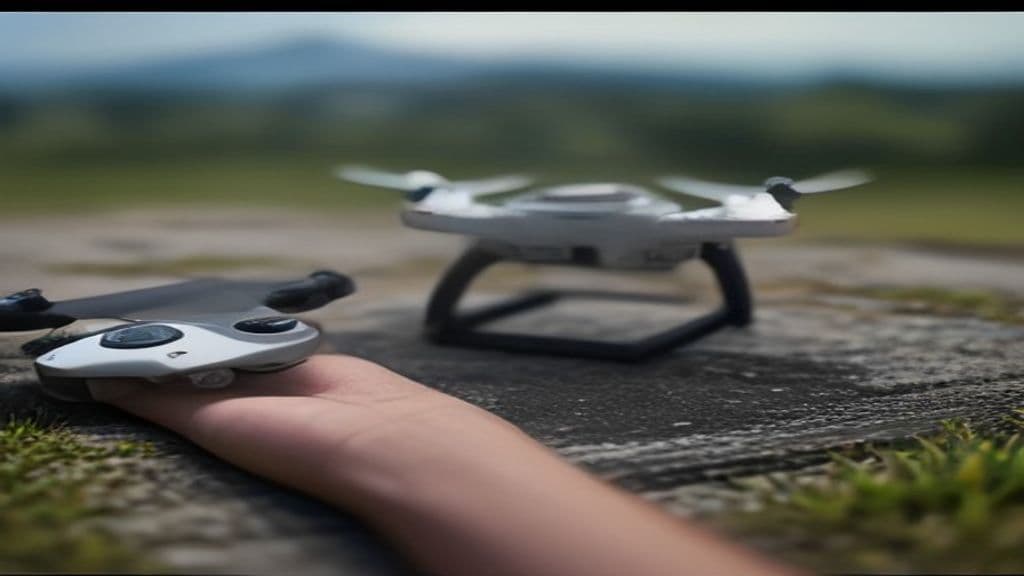
Mini Drone Motors
Brushed vs brushless motors in mini drones under ₹10,000
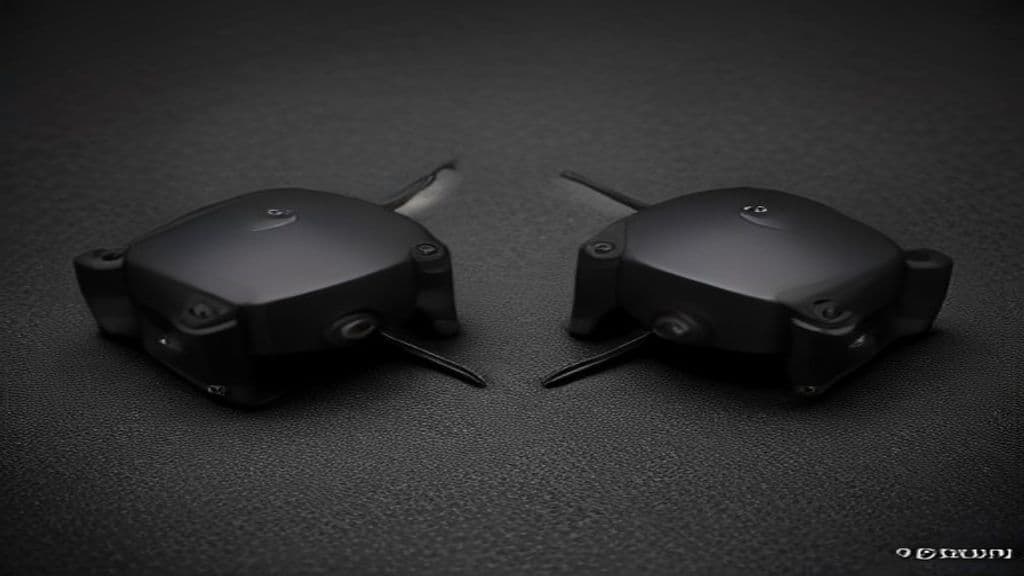
Imagine flying a mini drone that feels sluggish and slow to respond, versus one that is agile and quick, for just a few thousand rupees more. The difference lies in the type of motor used. Brushed motors are common in cheaper drones, but brushless motors offer a significant upgrade.
Worth the Extra Cost
Brushless motors are more expensive, but they provide better performance and longer lifespan, making them a worthwhile investment for frequent flyers.
Motor Basics
A brushed motor uses a physical brush to transfer power, which can wear out quickly, while a brushless motor uses magnets and electronics to achieve the same result, with less friction and heat.
Real-World Difference
The difference in flight experience is noticeable, with brushless motors providing smoother and more precise control, similar to the difference between a manual and automatic gear shift in a car.

India's Drone Scene
In India, where drone regulations are becoming more relaxed, the demand for high-quality mini drones is increasing, and brushless motors are a key factor in this growth.
Performance Comparison
For example, a brushless motor can provide up to 30% more power and 50% longer flight time compared to a brushed motor, making it a better choice for those who want to fly for longer periods.
Budget Options
While brushless motors are generally more expensive, there are options available under ₹10,000, such as the mini drones sold at Mini Drone Shop, which offer great value for the price.
Upgrade or Not
If you're looking for a better flying experience and don't mind spending a few thousand rupees more, brushless motors are definitely worth considering, as they provide a significant upgrade in performance and lifespan. The best mini drones with brushless motors can be found for under ₹15,000 in India, making them an affordable and worthwhile investment for drone enthusiasts.
Written by
The Flight DeskSharing knowledge about drones and aerial technology.