Mini Drone Motors
Brushed vs brushless motors for smooth flight
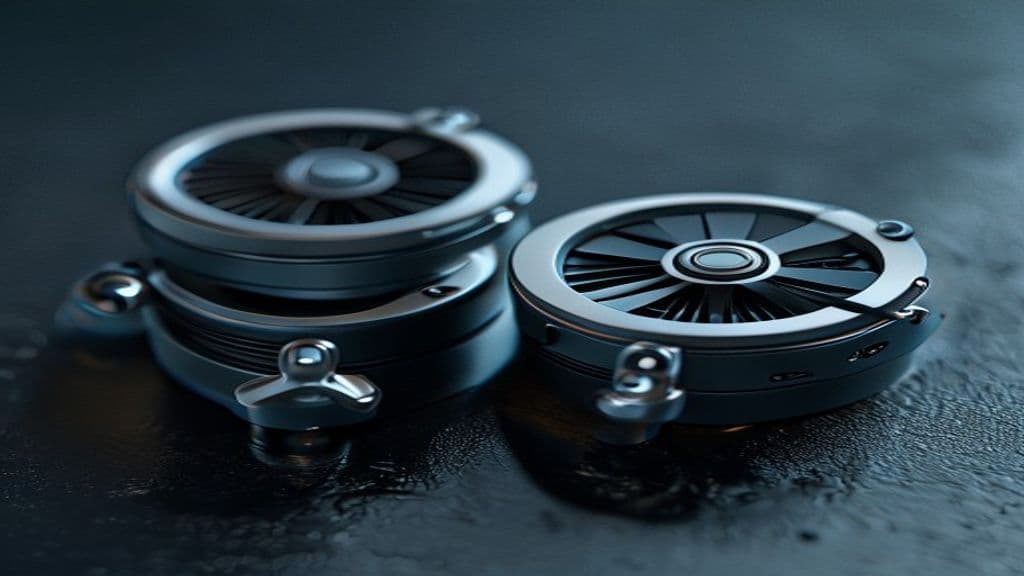
Imagine flying a mini drone that weighs under 250g, no DGCA registration needed, and it costs around ₹5,000 to ₹10,000. The thrill of controlling something so small and agile is exhilarating. But what makes these mini drones tick is their motors.
Motor Fundamentals
The main difference between brushed and brushless motors is the way they transfer electricity to generate power. Brushed motors use a physical brush to connect the power source, while brushless motors use magnets and a controller to achieve this.
Cost Difference
In India, brushed motors are generally cheaper, with prices starting from ₹500, whereas brushless motors can cost upwards of ₹2,000. This significant price difference can be a deciding factor for many buyers.
Flight Experience
When you fly a mini drone with a brushed motor, you might notice a slight vibration and less smoothness in its movement. On the other hand, brushless motors provide a much more stable and quiet flight experience.
Smooth Operator
The difference in flight experience is mainly due to the efficiency of the motor. Brushless motors are more efficient, which means they produce less heat and provide a longer battery life.
Worth The Extra Cost
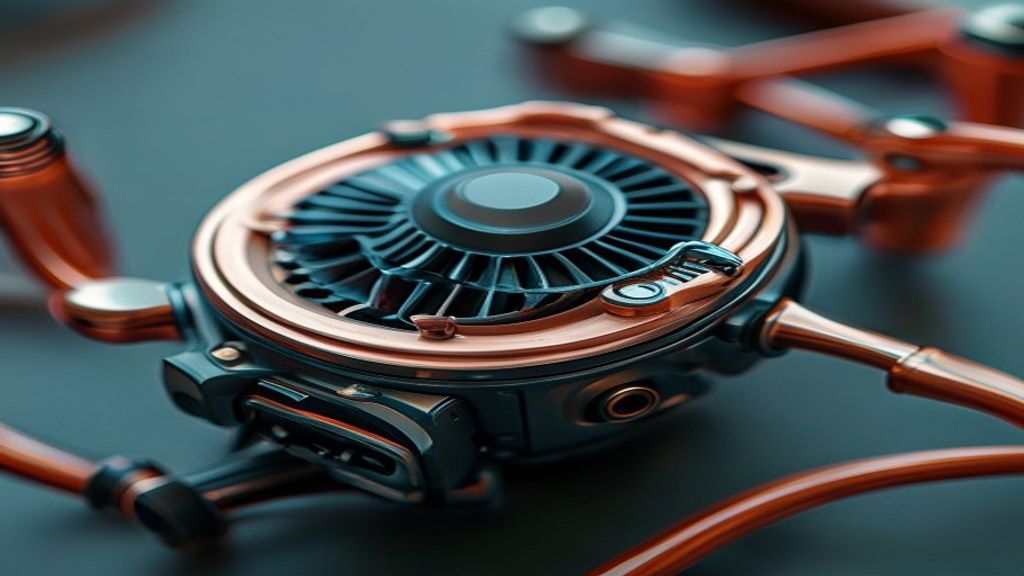
While brushed motors are cheaper, the extra cost of brushless motors is worth it for the improved flight experience. If you plan to use your mini drone regularly, the smoother and more stable flight of a brushless motor is worth the extra ₹1,500.
India's Mini Drone Market
In the Indian market, many buyers are price-sensitive, but for those willing to spend a bit more, brushless motors are the way to go. With the India UAS Rules 2021 allowing mini drones under 250g to fly without registration, the market is expected to grow.
The choice of motor can make or break your mini drone flying experience, and for those who want a seamless flight, brushless motors are the clear winner.
Written by
The Flight DeskSharing knowledge about drones and aerial technology.